

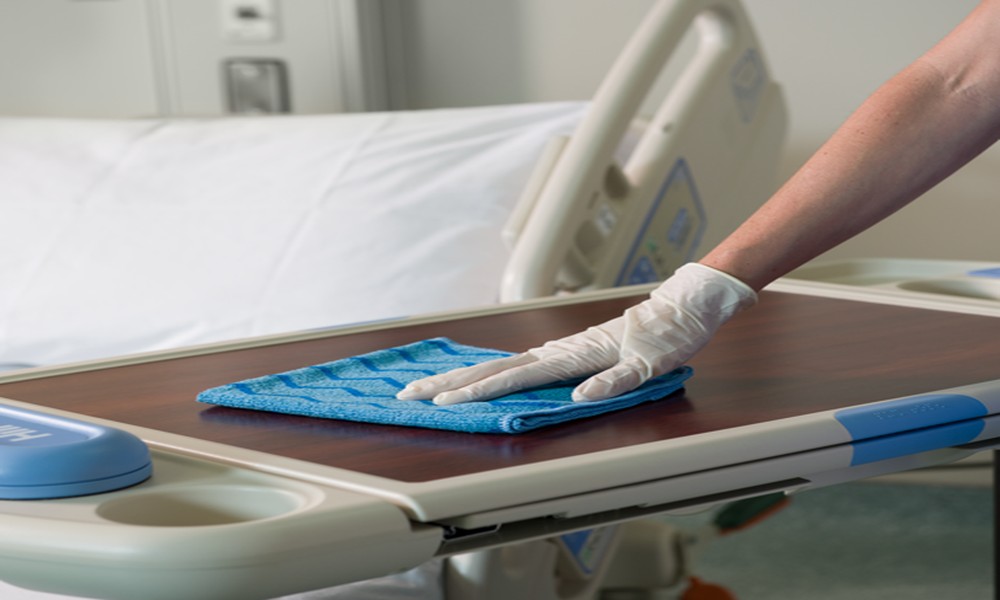
Cross-contamination in medical environments is a significant concern that can compromise patient safety, increase the spread of infections, and create operational challenges for healthcare facilities. Hospitals, clinics, and laboratories must implement strict protocols to minimize the risk of transferring harmful microorganisms between patients, staff, and surfaces. Understanding the sources of contamination and following best practices is essential for maintaining a safe healthcare environment.
Understanding Cross-Contamination
Cross-contamination occurs when bacteria, viruses, or other pathogens are unintentionally transferred from one person, surface, or object to another. In medical settings, this can happen through direct contact, contaminated instruments, improperly sanitized equipment, or even airborne particles. High-touch surfaces such as doorknobs, bed rails, medical instruments, and computer keyboards are common points where pathogens can spread if proper hygiene measures are not in place.
Patients with weakened immune systems are particularly vulnerable to infections caused by cross-contamination. Even minor lapses in cleanliness can result in healthcare-associated infections (HAIs), which may extend hospital stays, complicate treatments, and increase overall healthcare costs.
Effective Prevention Strategies
Preventing cross-contamination begins with rigorous hand hygiene. Medical staff should wash their hands thoroughly with soap and water or use alcohol-based sanitizers before and after patient interactions, after handling equipment, and after touching surfaces. Personal protective equipment (PPE) such as gloves, masks, and gowns adds another layer of protection and should be worn according to the level of risk.
Regular cleaning and disinfecting of medical tools, surfaces, and patient areas are critical. Instruments must be sterilized, and high-touch surfaces should be cleaned with hospital-grade disinfectants frequently throughout the day. Segregating clean and contaminated items, properly disposing of medical waste, and using color-coded systems for different materials can further reduce the risk of cross-contamination.
Final Thoughts
Training and awareness programs for medical staff are also essential. Ensuring that all personnel understand the importance of hygiene protocols, sterilization methods, and contamination risks helps reinforce a culture of safety within the facility.
By prioritizing these strategies, healthcare environments can significantly reduce the spread of infections, protect vulnerable patients, and maintain a safe and hygienic setting for both staff and visitors. Proper preventive measures are not just best practices-they are vital to the overall health and safety of everyone in a medical facility.
This post was written by a professional at Elite Service Solutions. Elite Service Solutions is your partner in commercial Janitorial cleaning near you. We offer a wide range of services, including commercial cleaning services Sarasota, business deep cleaning near you, post-construction cleanup, VCT stripping and waxing, tile and grout cleaning, and carpet cleaning and more! Our expertise and commitment to quality ensure your space is not only clean but truly transformative. We customize cleaning plans to meet your specific needs and budget, using eco-friendly products and advanced technology. Our team is dedicated to excellence, aiming to exceed your expectations with every job. Choose Elite Service Solutions for a pristine, healthy, and welcoming environment. Contact us to elevate your experience with business cleaning near you!
