

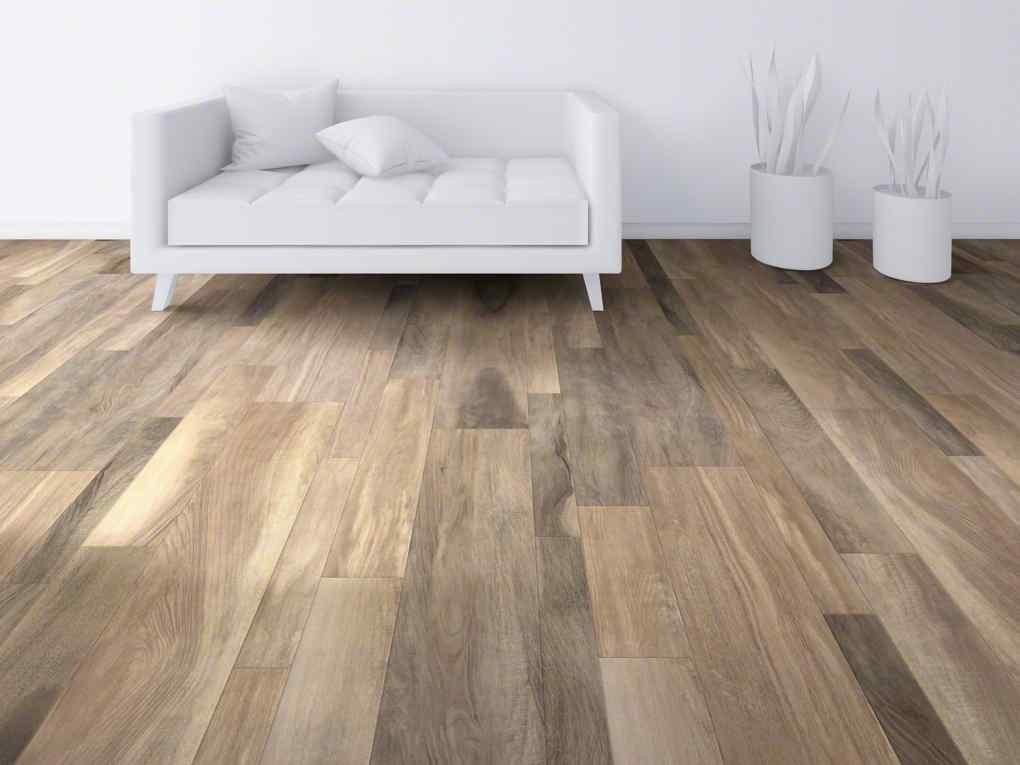
One of the most important aspects of a good floor is its thickness. Vinyl planks with a thin wear layer tend to be less durable. The wear layer protects only the top surface of the floor from damage, allowing the texture and pattern to eventually fade away. Eventually, this will lead to a costly replacement. A good thickness can save you money and frustration over time.
The answer to the question, “Is 5mm a good thickness for vinyl floor?” depends on your taste and your budget. Thinner vinyl plank flooring is a good choice for budget-conscious projects, while thicker vinyl plank flooring is suitable for commercial environments. If your goal is to replace the flooring in a high-traffic area, you might consider buying a thicker vinyl plank flooring product.
Although overall thickness of vinyl flooring does not play a major role in durability, the wear layer is a critical factor. The thicker the wear layer, the more resistant it will be to damage. Choosing a thickness that suits your needs is essential, and you can ask the seller about the application process in order to find the best choice for your home. Most manufacturers of vinyl plank flooring use a urethane-based wear layer, which helps the flooring to retain its original appearance longer. It also provides a maintenance-free finish.
The thickness of the planks is also a factor to consider. There are many types of vinyl plank flooring. You can find them in many different colors and designs. You can install them in any room in your home, and it is also very affordable. So, why not give it a try? You might find yourself pleasantly surprised at how versatile and affordable it is. When choosing vinyl plank flooring, choose the thickness that best fits your needs. If you’re worried about noise, then you can go for the thicker ones.
You may also want to consider a solid core product. This type of vinyl plank flooring can be more stable and durable than its counterparts. It can also mask minor imperfections in subflooring. This is a good choice if you’re installing over an existing floor. Some manufacturers even use a layer of cork or soundproofing to provide extra cushioning underfoot. Underlayment is also an important feature. It offers additional benefits including insulation and structural support.
The thickness of vinyl plank flooring depends on the subfloor. A concrete subfloor provides plenty of stability. Wood subfloors, on the other hand, require additional layers of wood. While they may be cheaper, they may be more difficult to install. In any case, a thicker vinyl plank is recommended for support and stability. The question of how thick is too thick is an important consideration.
The main factors to consider when choosing vinyl plank are durability and dimensional stability. The durability of vinyl planks is compromised when mixed with other materials. Despite the many advantages of vinyl flooring, its recycling process lacks a standardized method. Many manufacturers don’t use the same texture plate for recycling. Some recycled vinyl even contains lead and phthalates. When the wear layer wears down, these materials are released.
Generally, five-millimeter thickness is the best thickness for vinyl plank flooring. However, you can find a much thicker option than 5mm. This thicker vinyl flooring is also more durable than the other two types, making it easier to clean and maintain. It also comes with a 15-year commercial warranty. The main advantage of this thickness is that you can replace tiles individually without ripping the entire floor.
Unlike other types of floating floors, click-style vinyl planks don’t require glues. Instead, they use suction cups to form a vacuum seal with the subfloor. These floorings are also easier to install than click-lock tiles. Floating floors with thinner layers often have weaker click-lock seams and require glueing on the perimeter. But there are some factors to consider when choosing the thickness of your flooring.
Luxury vinyl is a cousin of sheet vinyl, but also has some advantages. Its low price makes it an inexpensive option, but it looks cheap. Luxury vinyl, on the other hand, is a great option. Luxury vinyl has multiple layers and is more durable than sheet vinyl. Furthermore, it mimics the look and feel of real wood and tiles. Therefore, if you want to add luxury to your floors, choose a thickness of 5mm.
