

Artificial
intelligence and robotics are reshaping the real estate industry across every
stage, from design and construction to operations and long-term usage. This
transformation reflects the growing integration of digital intelligence with
physical infrastructure, including intelligent construction machinery, creating
new efficiencies and strategic opportunities.
AI in Design and Urban Planning
AI is significantly improving architectural
design, land development, and sustainability planning. Through advanced
simulations, architects and urban planners can create digital replicas of
buildings and cities. These digital models help evaluate how design decisions
influence sunlight exposure, wind flow, traffic patterns, and energy consumption before construction begins.
For example, Autodesk developed the Oslo-based
Spacemaker platform, which uses cloud-driven AI to optimise site layouts for
buildings and neighbourhoods. Designers can test multiple concepts quickly,
improving early-stage planning and long-term environmental performance.
By processing large datasets including
geospatial information, climate conditions, and zoning regulations, AI
identifies solutions that balance aesthetics, cost efficiency, and
sustainability more effectively than traditional manual methods.
Robotics
and Automation in Construction
Construction sites are also experiencing major
change. AI-powered drones and ground robots now handle surveying, inspections,
and progress monitoring with greater accuracy and speed. These technologies
reduce risks and improve project oversight.
Robotics is also taking on direct construction
tasks. Heavy equipment such as excavators, bulldozers, and cranes increasingly
operate with AI-guided systems that enable semi-autonomous functionality. This
improves precision, enhances safety, and reduces dependency on manual labour in
hazardous environments.
Smarter
Building Operations and Energy Management
After completion, AI continues to add value
throughout a building’s lifecycle. Modern management systems combine AI with
IoT sensors to monitor occupancy, temperature, lighting, air quality, and
equipment status in real time. Data collected is analysed through cloud
platforms to optimise performance and reduce operating costs.
Companies like Samsara offer connected
operations platforms that convert sensor data into actionable insights for
asset managers. AI-driven computer vision also enhances security by analysing
live video feeds for potential threats. Firms such as Ambarella produce specialised
chips that enable cameras to perform deep-learning analysis directly on the
device.
AI is also modernising property valuation.
Instead of relying primarily on subjective judgment, machine learning systems
evaluate thousands of property attributes and market variables simultaneously,
producing more consistent and data-based assessments.
Energy efficiency is another critical focus. Buildings make up a large
portion of worldwide energy use. Companies
such as Emerson Electric and Schneider Electric integrate AI into energy
management systems to lower consumption and support sustainability goals.
Evolving
Space Utilisation
AI-driven technologies are influencing how
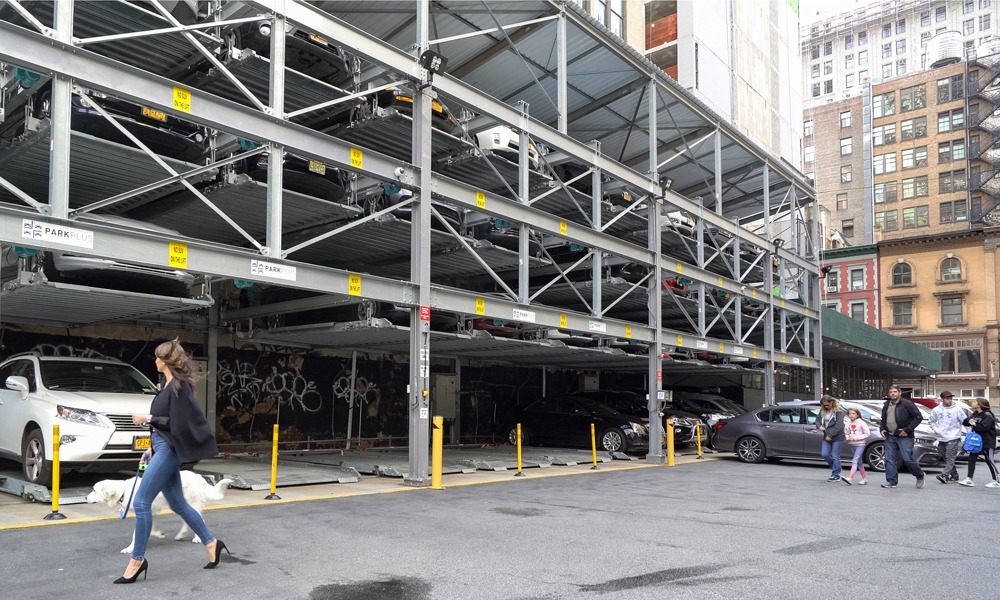
physical spaces are used. Autonomous vehicles could reduce the need for parking
infrastructure, reshaping urban land allocation. Delivery drones may further
change logistics and property design. For instance, Walmart has partnered with
Zipline to test drone deliveries near Dallas.
Conclusion
AI and robotics are driving a structural
transformation in real estate. From smarter design and automated construction
to intelligent operations and changing usage patterns, these developments
represent long-term shifts that are redefining how properties are built,
managed, and experienced.