

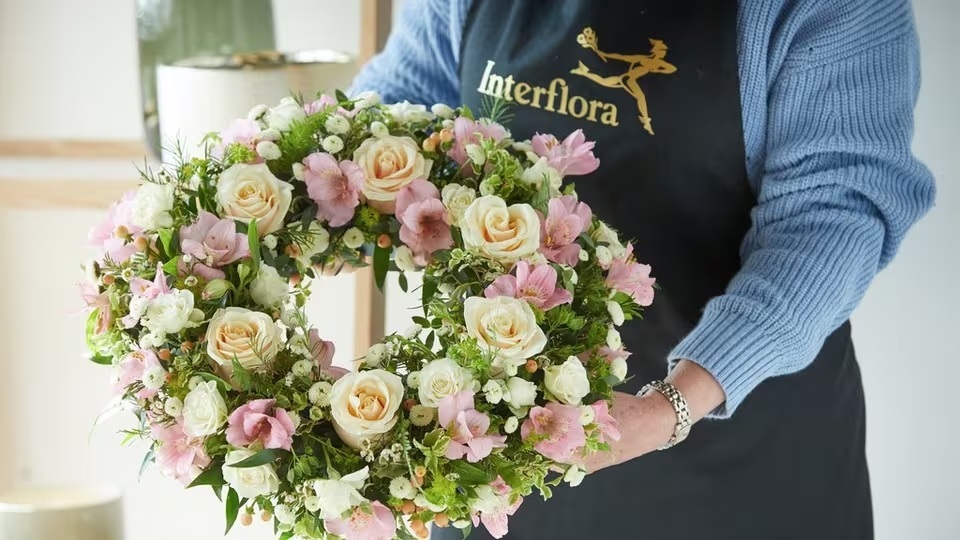
A funeral wreath is a circular arrangement of flowers used to honor and remember someone who has passed away. It is a traditional symbol of respect, sympathy, and remembrance. Funeral wreaths are often displayed at memorial services, gravesites, or sent to the family as a gesture of condolence.
Why are colours important in funeral wreaths?
Colours in funeral wreaths carry symbolic meanings and convey emotions. Choosing the right colour shows respect and thoughtfulness toward the deceased and their family. Different cultures and traditions may also attach specific meanings to colours, making it important to select appropriate shades that reflect sympathy and honor. Choosing the right flowers for a funeral is all about the deceased, what they would have liked to see and what colours brought them joy.
Which colours are considered most appropriate for funeral wreaths?
Traditional funeral wreath colours include white, cream, and pastel shades. White represents purity, peace, and innocence, making it one of the most common choices. Cream and soft pastels symbolize calmness and remembrance. These colours are generally seen as respectful and solemn, suitable for expressing sympathy.
Can darker colours be used in funeral wreaths?
Yes, darker colours such as deep red, burgundy, or purple can be appropriate depending on the context. Deep red often symbolizes love and respect, while burgundy or purple can convey dignity, reverence, and solemnity. These colours are often chosen when the deceased had a strong personality or a significant presence in the community.
What do bright colours in funeral wreaths signify?
Bright colours, such as yellow, orange, or bright pink, are less traditional but can be meaningful in certain situations. They may represent celebration of life, joy, or the personality of the deceased. Bright colours are sometimes used in memorials for younger individuals or when the family wants to honor a life filled with happiness and energy.
Are there colours that should generally be avoided?
Colours that are overly vibrant or flashy, like neon shades, are usually avoided as they can appear disrespectful in the solemn setting of a funeral. It is best to choose muted, soft, or traditional colours that reflect sympathy and reverence. When in doubt, neutral and calming shades are safest.
Do cultural traditions affect colour choices?
Yes, cultural and religious customs can influence funeral wreath colours. For example, in some cultures, white is strongly associated with mourning, while in others, black or purple may be the traditional colour of grief. Understanding the background and traditions of the deceased’s family helps ensure that the wreath is appropriate and respectful. Funeral wreaths are often designed in white, but depending on the deceased’s personality, heritage or religion, many people opt for unique colours and combinations.
Can multiple colours be combined in a wreath?
Yes, combining complementary colours is common in funeral wreaths. For example, white and pale pink or white with soft lavender can create a harmonious and respectful arrangement. Combining colours can also reflect the personality or hobbies of the deceased while maintaining a solemn tone.
How do flowers and their colours work together in a wreath?
The type of flowers chosen often influences colour selection. Lilies, roses, carnations, and chrysanthemums are popular for funerals because they convey respect and remembrance. Their natural colours—white, cream, pale pink, or deep red—help convey the appropriate message of sympathy and honor.
Is it acceptable to consult with the family about colours?
Absolutely. Checking with the family about preferred colours or cultural considerations ensures that the wreath is appropriate. This shows thoughtfulness and sensitivity, which is always appreciated during a time of grief.
How does colour choice affect the overall impression of a funeral wreath?
The colours of a funeral wreath set the tone of respect, remembrance, and sympathy. Appropriate colours convey sincerity and thoughtfulness, while poorly chosen shades may appear careless or disrespectful. Careful selection ensures that the wreath honors the deceased and comforts the family.
Conclusion
Choosing the right colours for a funeral wreath is an important way to show respect and sympathy. Traditional colours like white, cream, and muted pastels are safe and meaningful choices, while deeper shades like burgundy or purple can convey dignity and reverence. Considering cultural customs, the personality of the deceased, and the preferences of the family ensures that the wreath communicates heartfelt remembrance in a respectful manner.
