

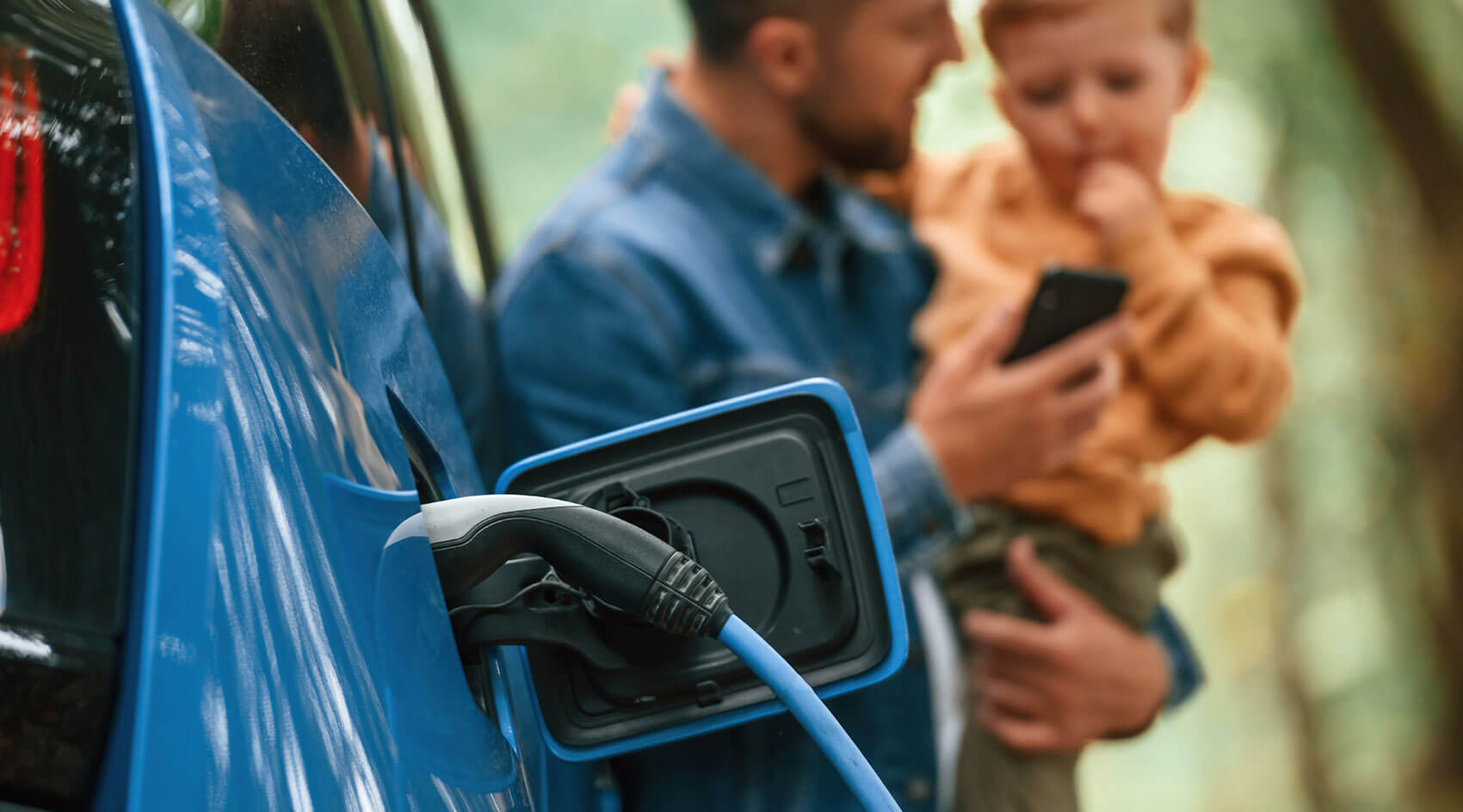
With electric vehicles becoming a mainstream choice for Murfreesboro homeowners, more drivers are asking the same question: What does it really cost to charge at home, and how can I keep those costs low?
The good news? Charging at home is significantly more affordable than fueling a gas-powered car. But not all home charging setups are equal, and your choices around equipment, energy plans, and installation can impact your long-term savings.
Here’s what Murfreesboro residents should know about the real costs of EV charging at home, and how to set things up in a way that delivers both convenience and savings over time.
Understanding the True Costs
When people think of EV ownership, they often focus on the car itself. But a smart, well-planned home charging setup is just as important, and often overlooked.
There are two primary cost buckets to think about:
1. Installation Costs
Your charger type determines how much you’ll pay upfront. While Level 1 chargers typically plug into a standard outlet and require no special setup, Level 2 chargers deliver faster, more efficient charging and need a dedicated 240V circuit.
Depending on your home’s current electrical setup, you might need:
- Electrical panel upgrades
- A new dedicated circuit
- Professional installation
In Murfreesboro, homeowners typically spend between $500 and $2,000 for a full Level 2 installation.
2. Electricity Costs
This is the ongoing cost of actually charging your vehicle. In Tennessee, electricity rates remain below the national average. On average, charging an EV at home costs around $0.03 to $0.05 per mile, making it far cheaper than gas.
Still, how and when you charge can impact your utility bill. Many Murfreesboro homeowners are switching to time-of-use (TOU) plans that offer lower rates during off-peak hours, usually at night.
Level 1 vs. Level 2: What Makes Sense for You?
New EV owners often default to Level 1 charging; sometimes, it’s enough. However, for drivers with longer commutes or multiple vehicles, Level 2 is a game-changer.
Level 1 chargers are typically best suited for hybrid vehicles or households where the EV is only driven occasionally. They deliver about 4 to 5 miles of range per hour and plug into a standard outlet; minimal cost, but very slow.
Level 2 chargers, on the other hand, deliver 20 to 40 miles of range per hour and are ideal for daily drivers, families, or those looking to future-proof their setup. They require a professional installation and a 240V outlet but offer major convenience in return.
Beyond speed, many Level 2 chargers have innovative features like scheduling, tracking energy usage, and compatibility with solar systems.
To understand which option best suits your driving habits and home layout, check out this detailed guide to EV charger types tailored to Murfreesboro homes.
Overlooked Ways to Maximize Savings
Charging at home already cuts costs dramatically compared to gas. But there are ways to stretch those savings even further:
- Time it right: Charging after 9 p.m. or during other off-peak windows can significantly lower your cost per charge
- Use smart charging stations: Many Level 2 units allow for automation and off-peak scheduling
- Apply for rebates: Middle Tennessee Electric and TVA have offered rebates for EV charger installation. Check local utility programs and statewide incentives.
- Pair with solar (if applicable): Some homeowners are pairing EV chargers with solar to offset even more of their energy use
These strategies aren’t just about saving pennies. They compound over time, especially if you drive regularly or plan to add a second EV.
Setting Yourself Up for Long-Term Value
Installing a home EV charger is more than just plugging in a cable; it’s an investment in your home’s infrastructure and your family’s lifestyle. Choosing the right system upfront helps avoid costly upgrades later. Once it’s installed, charging becomes one of the easiest parts of owning an electric vehicle.
As more Murfreesboro residents shift to electric, homeowners who plan will benefit most. That means:
- Choosing the correct charger for your needs
- Timing your installation to take advantage of incentives
- Monitoring your energy use with tools that make optimization simple
The more intentional you are now, the less you’ll spend, and the more you’ll enjoy the switch to electric driving.
